
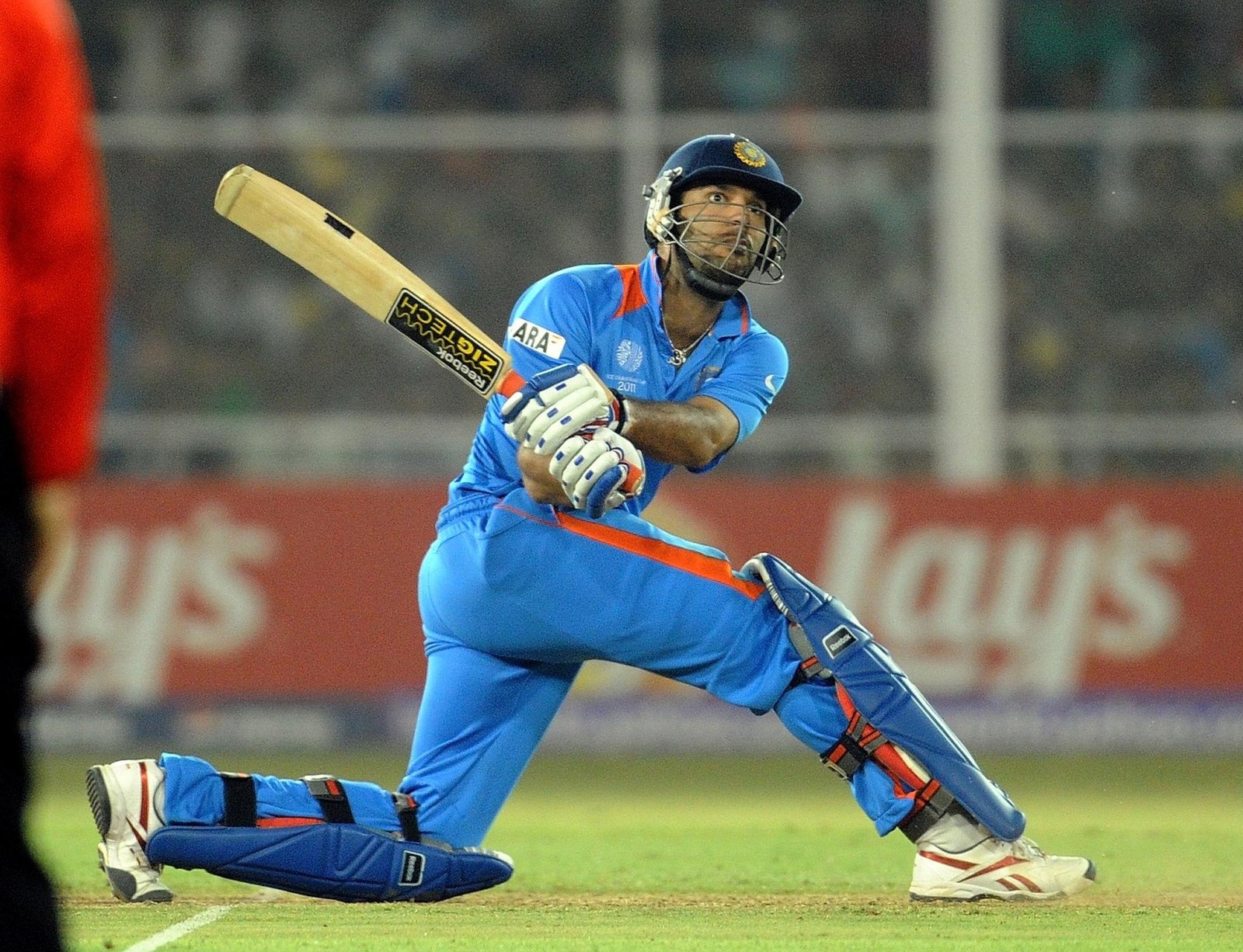
Left-handed batters have played a major role in shaping the history of One Day International cricket. Their ability to find scoring opportunities against different bowling styles has made them valuable members of successful teams. Left-arm bowlers have also brought variety to bowling attacks, creating different angles and challenges for opposition batters.
Over the years, several left-handed cricketers have established themselves among the greatest players in ODI history. From explosive opening batters to dependable middle-order players and world-class fast bowlers, these players have contributed to some of the format’s most memorable performances.
Building a balanced XI entirely from left-handed players is a challenge, but the following selection combines batting depth, wicketkeeping options, all-round ability and a varied bowling attack.
1. Adam Gilchrist (Australia)
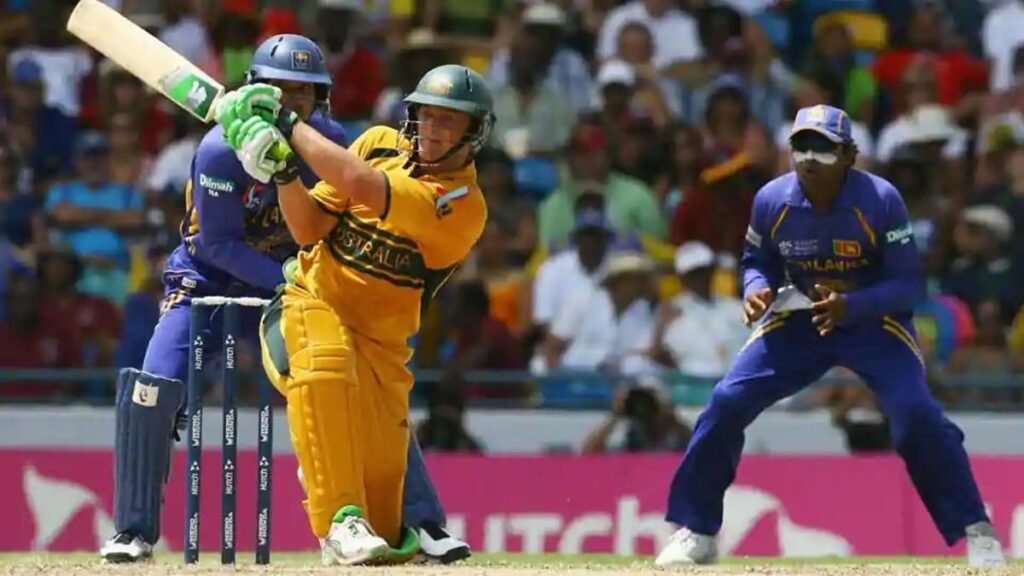
Adam Gilchrist is the first choice as an opening batter and wicketkeeping option in this left-handed ODI XI. The former Australian star transformed the role of a wicketkeeper-batter with his aggressive approach at the top of the order.
Gilchrist was particularly effective during major tournaments. His performance in the 2007 ODI World Cup final against Sri Lanka remains one of the standout innings of his career. His ability to score quickly gave Australia a significant advantage during the opening overs.
He also offered the team an experienced wicketkeeping option, making him an important selection for both batting and fielding.
2. Sanath Jayasuriya (Sri Lanka)
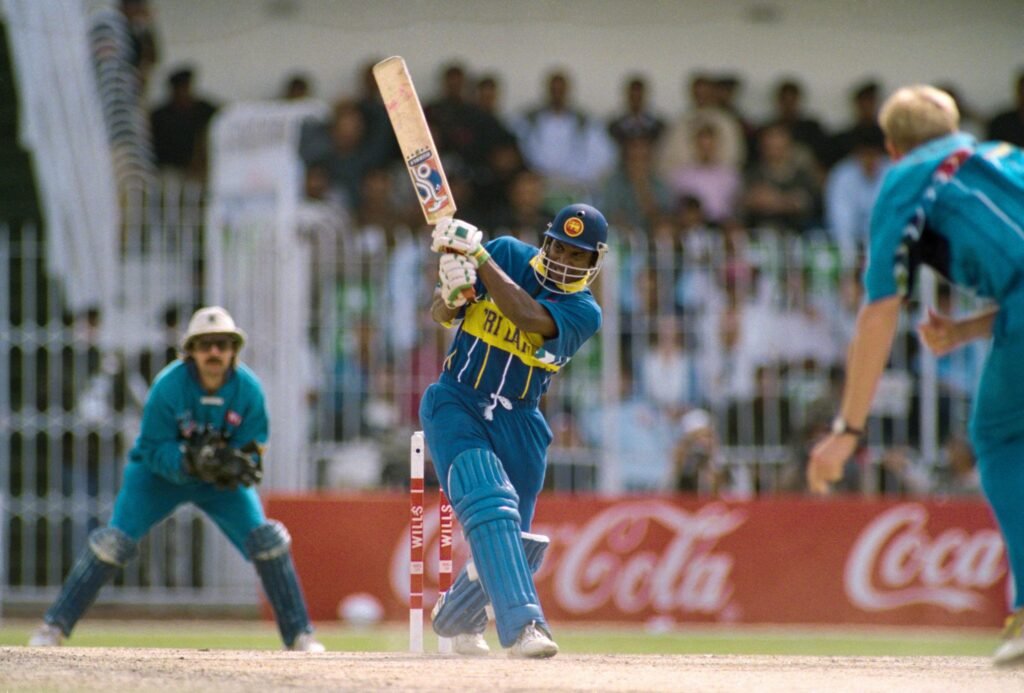
Sanath Jayasuriya partners Gilchrist at the top of the order. The former Sri Lankan captain played a major role in changing the way teams approached the opening overs of ODI cricket.
Jayasuriya became famous for his attacking batting during the 1996 World Cup, when Sri Lanka used aggressive starts to put pressure on opposition bowling attacks. His ability to score quickly and dominate both pace and spin made him one of the most dangerous openers of his generation.
He also contributed with his left-arm spin, giving this XI another useful bowling option.
3. Kumar Sangakkara (Sri Lanka)
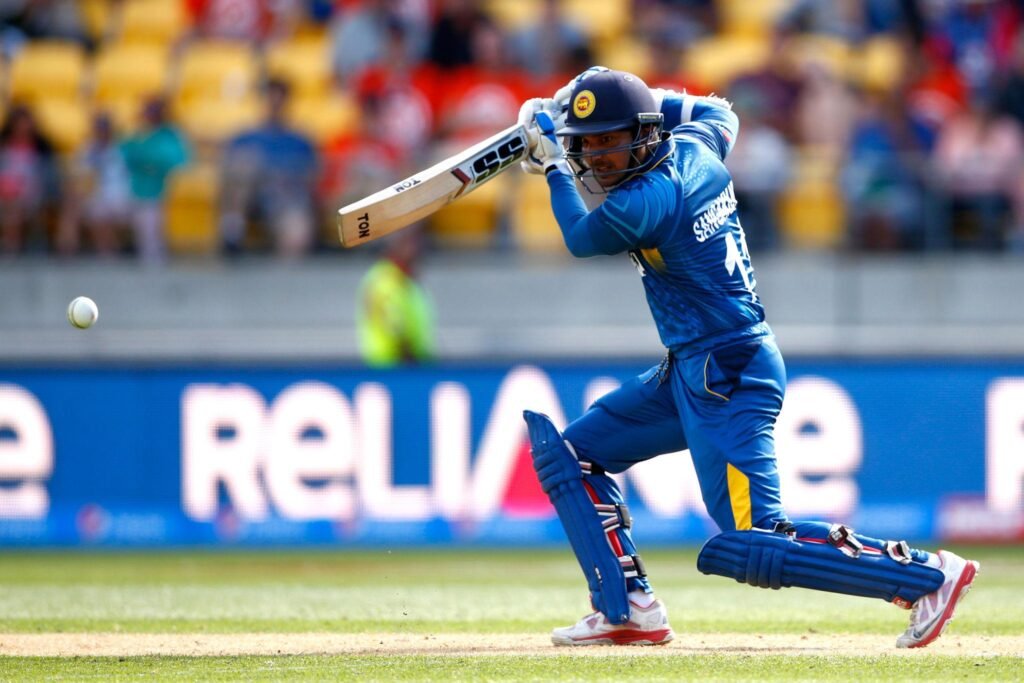
Kumar Sangakkara occupies the number three position. Widely recognised for his consistency and technical ability, the former Sri Lankan wicketkeeper-batter enjoyed an outstanding ODI career.
Sangakkara finished his ODI career with 14,234 runs, including 25 centuries. His ability to build long innings made him an ideal player to anchor the middle order after an aggressive opening partnership.
He also provides a second wicketkeeping option alongside Gilchrist, adding further flexibility to the team.
4. Yuvraj Singh (India)
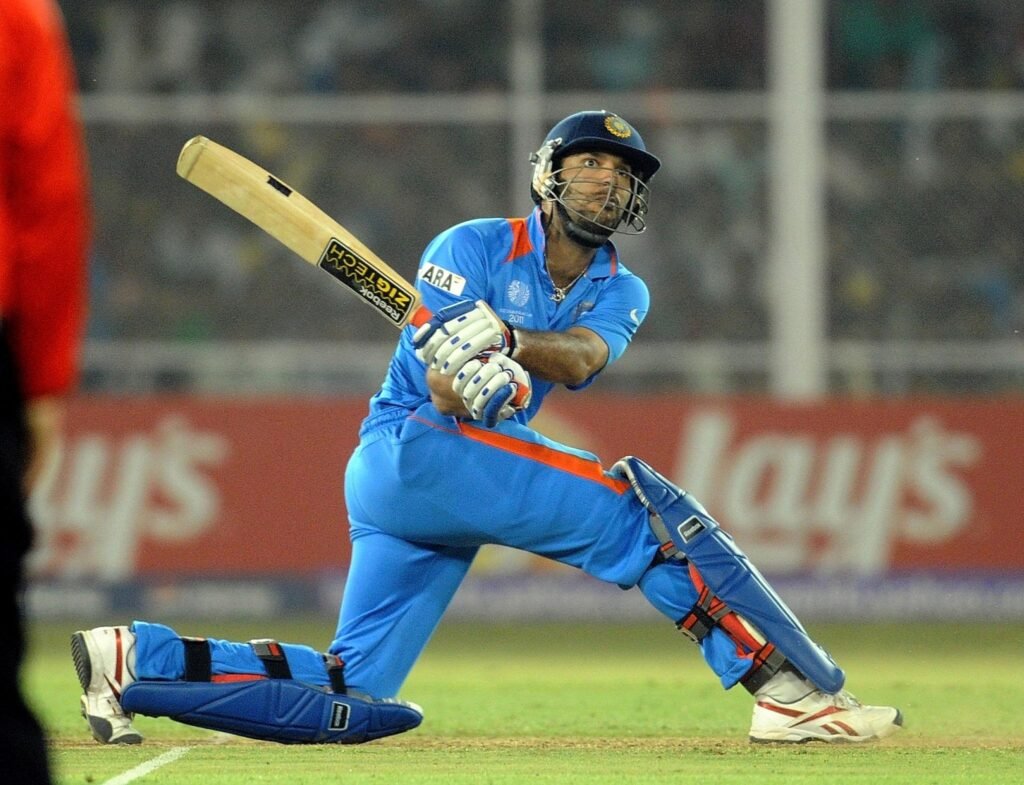
Yuvraj Singh takes the number four position. The Indian all-rounder played an important role in several major victories, particularly during the 2007 T20 World Cup and 2011 ODI World Cup.
His attacking batting, ability to accelerate during the middle overs and left-arm spin made him a valuable limited-overs player. Yuvraj scored 8,701 runs and took 111 wickets in his ODI career.
His performance in the 2011 World Cup, where he was named Player of the Tournament, remains one of the defining achievements of his career.
5. Eoin Morgan (England)
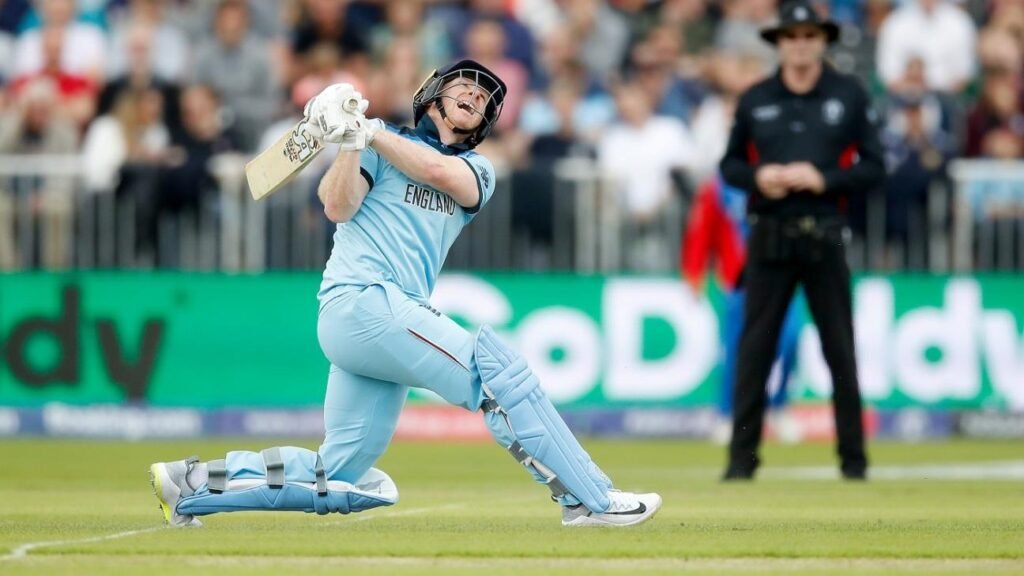
Eoin Morgan adds another attacking middle-order option and is selected as the captain of this XI.
Morgan began his ODI career representing Ireland before switching to England. He eventually became one of the most influential figures in English limited-overs cricket.
Under his leadership, England won the 2019 ODI World Cup for the first time. His aggressive batting approach and willingness to take calculated risks helped shape England’s modern white-ball strategy.
Morgan scored 7,701 ODI runs and registered 14 centuries during his international career.
6. Shakib Al Hasan (Bangladesh)
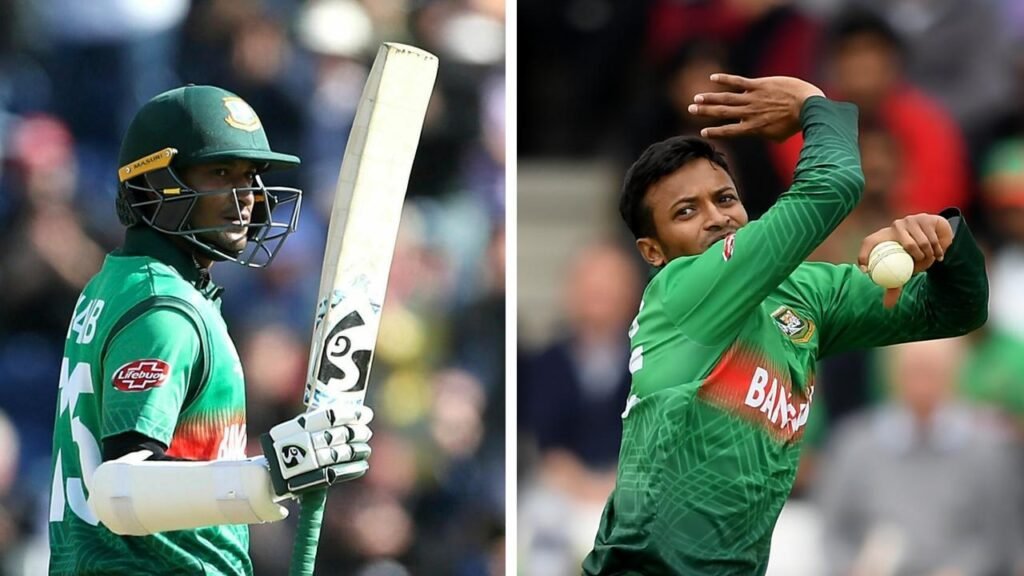
Shakib Al Hasan strengthens the middle order as a left-handed batting all-rounder. The Bangladesh star has been one of the most accomplished all-rounders in ODI cricket.
His batting provides stability and the ability to accelerate when required. With the ball, his left-arm orthodox spin offers control and wicket-taking options during the middle overs.
Shakib’s combination of batting and bowling makes him an important selection in a team that needs balance across all departments.
7. Michael Hussey (Australia)
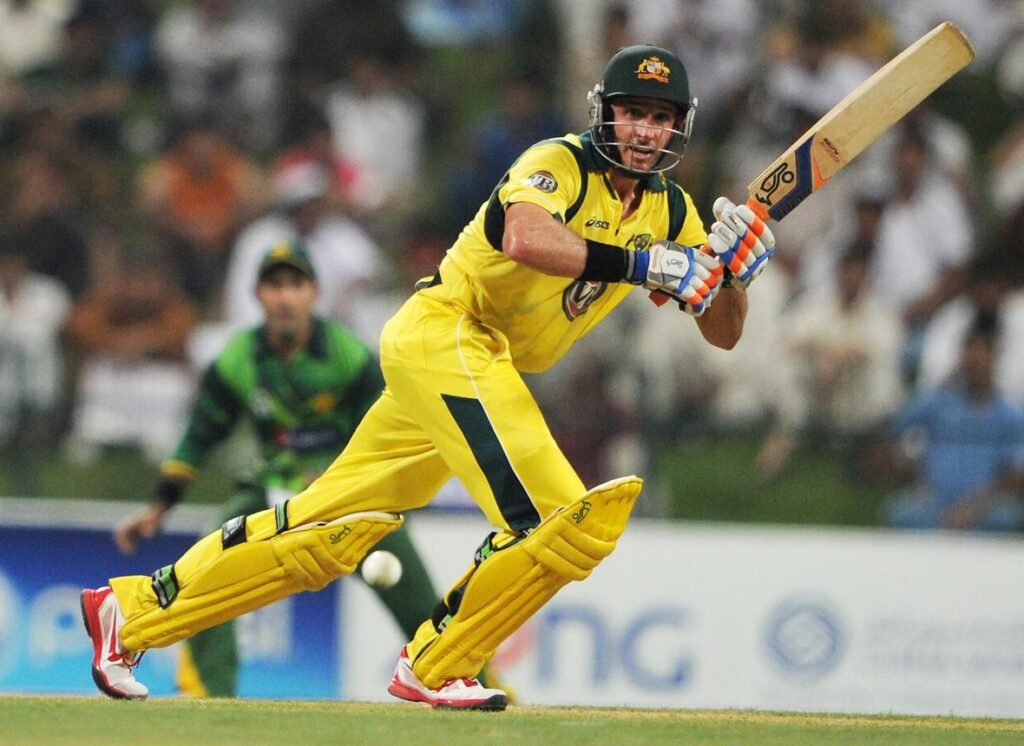
Michael Hussey, popularly known as Mr Cricket, takes the finisher’s role in the lineup.
Hussey made his international debut relatively late but quickly became an important member of Australia’s limited-overs teams. His ability to handle pressure and finish innings made him particularly valuable in the lower middle order.
He scored 5,442 ODI runs at an average of 48.15, demonstrating his consistency in the format. His experience also provides the team with another reliable batter after the main middle-order players.
8. Mitchell Starc (Australia)
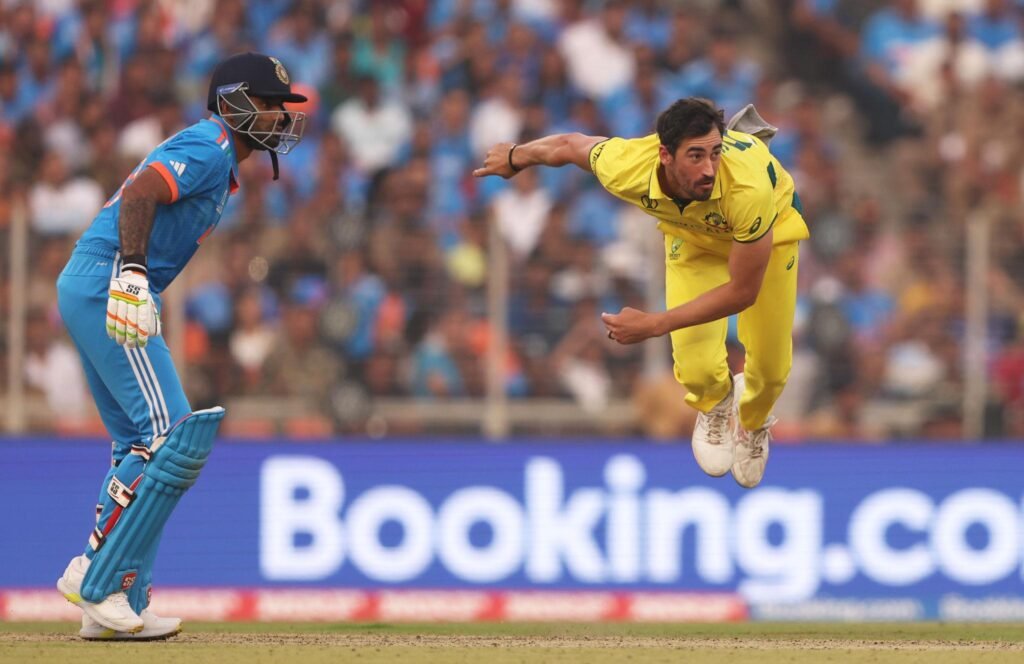
Mitchell Starc leads the fast-bowling attack. The Australian left-arm pacer is known for his ability to generate pace, swing the new ball and deliver accurate yorkers at the end of an innings.
Starc played an important role in Australia’s 2015 ODI World Cup triumph and finished that tournament as one of its leading wicket-takers, with 22 wickets.
His ability to strike early and return for the death overs makes him a valuable part of this bowling combination.
9. Daniel Vettori (New Zealand)
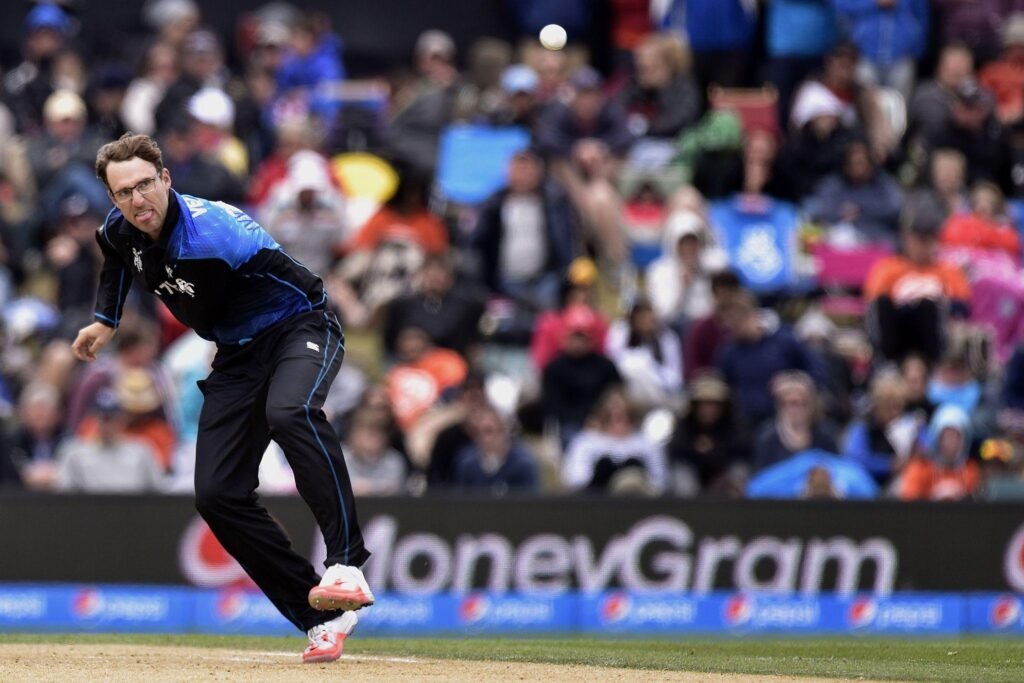
Daniel Vettori is selected as the specialist spinner. The former New Zealand captain was known for his control, accuracy and ability to vary his pace.
Vettori finished his ODI career with 305 wickets in 295 matches. He also contributed useful runs in the lower order, making him more than just a specialist bowler.
His left-arm orthodox spin complements Shakib’s bowling and provides another option for controlling the middle overs.
10. Trent Boult (New Zealand)
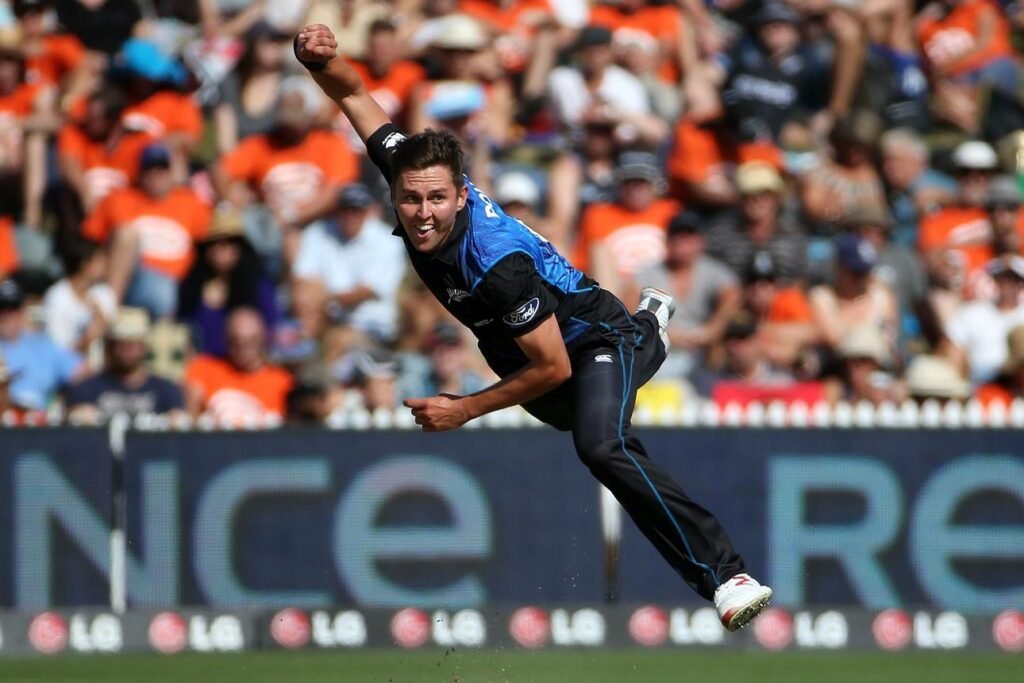
Trent Boult adds another left-arm fast-bowling option to the attack. The New Zealand pacer became one of the most effective new-ball bowlers in international cricket.
His ability to swing the ball in both directions made him particularly dangerous during the opening overs. Boult also developed variations that allowed him to remain effective during the middle and final stages of an ODI innings.
He shared the leading wicket-taker position with Mitchell Starc at the 2015 ODI World Cup, finishing with 22 wickets.
11. Zaheer Khan (India)
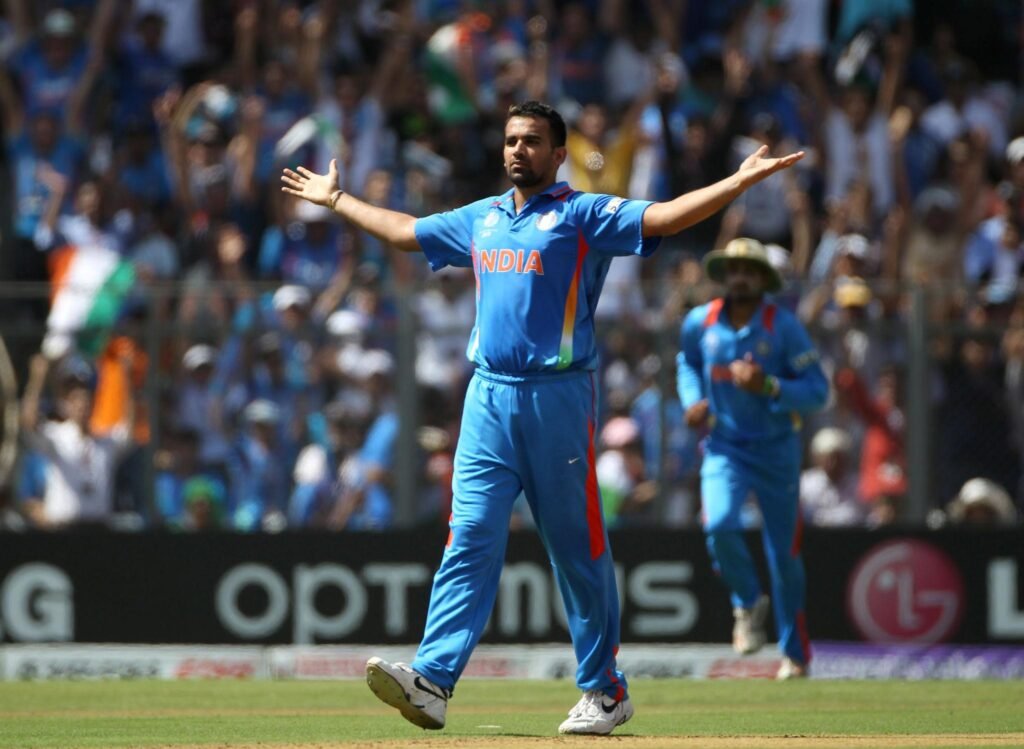
Zaheer Khan completes the XI as an experienced left-arm fast bowler. The former Indian pacer was one of the most important members of India’s bowling attack during the 2000s.
He could swing the ball, use reverse swing and deliver effective slower balls. His ability to adapt to different match situations made him a dependable option in ODI cricket.
Zaheer also played a major role in India’s 2011 World Cup campaign, finishing as the joint-leading wicket-taker in the tournament with 21 wickets.
A balanced XI built around left-handed talent
This all-time left-handed ODI XI combines aggressive opening batters, technically accomplished middle-order players and an experienced bowling attack.
Gilchrist and Jayasuriya provide attacking options at the top, while Sangakkara, Yuvraj, Morgan and Shakib offer depth in the middle order. Hussey adds finishing ability, and the bowling group features Starc, Vettori, Boult and Zaheer.
The selection brings together players from Australia, Sri Lanka, India, England, Bangladesh and New Zealand. While any all-time XI is open to debate, this group represents a strong combination of left-handed batting and bowling talent across different generations.
Editorial note: This is an editorial all-time selection, not an official ICC team or a statistically definitive ranking. The players are listed in the selected batting and bowling order.