
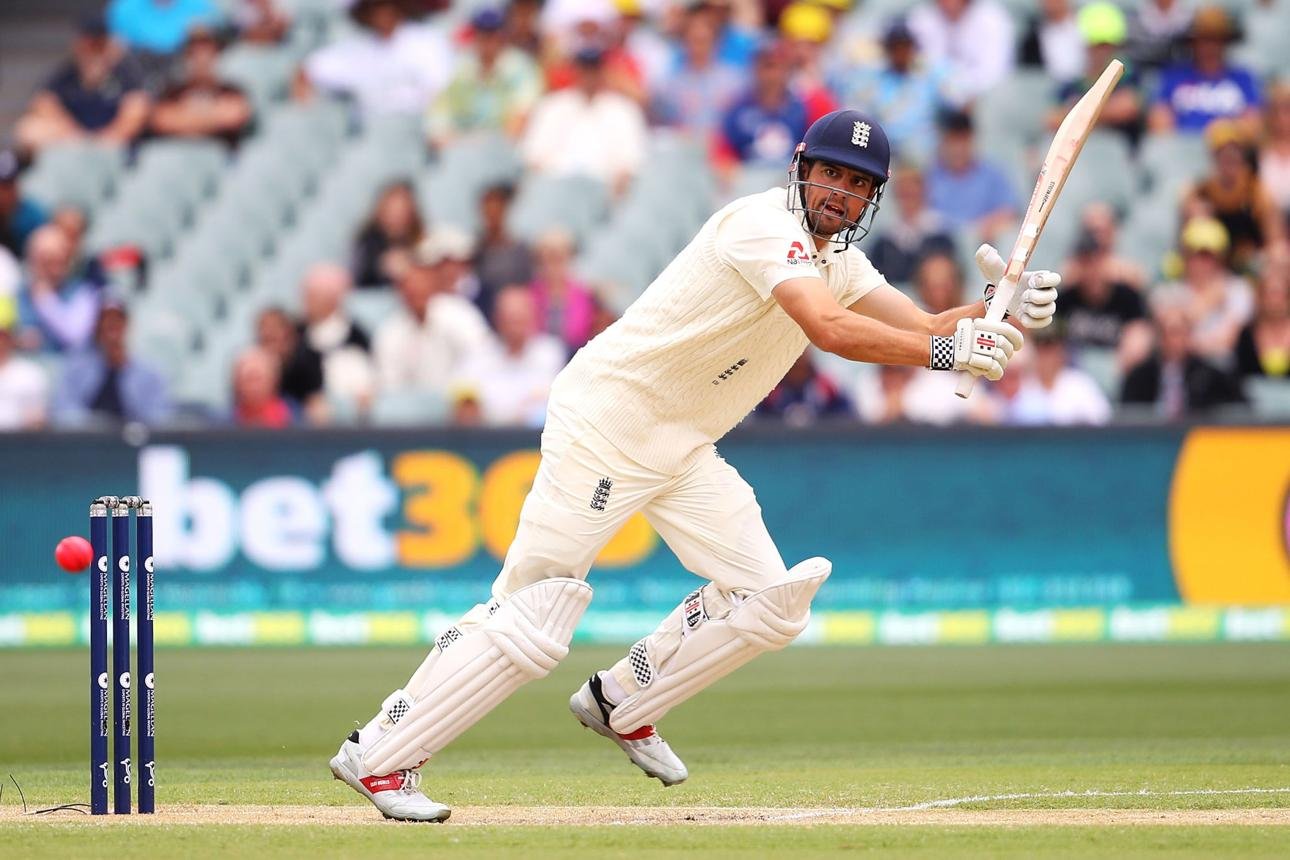
The ICC Men’s Cricket World Cup is one of the biggest stages in international cricket. Reaching the tournament is a major career milestone, but not every accomplished player gets the opportunity to compete in it.
Some cricketers build outstanding records in Test cricket without establishing a place in their country’s one-day international setup. Others find themselves competing for limited squad positions during periods when their teams have several established players.
VVS Laxman, Alastair Cook, Chris Martin, Matthew Hoggard and Justin Langer are five notable examples associated with careers that did not include an appearance at an ODI World Cup. Their stories show how success in international cricket does not always translate into a World Cup opportunity.
5. VVS Laxman (India)
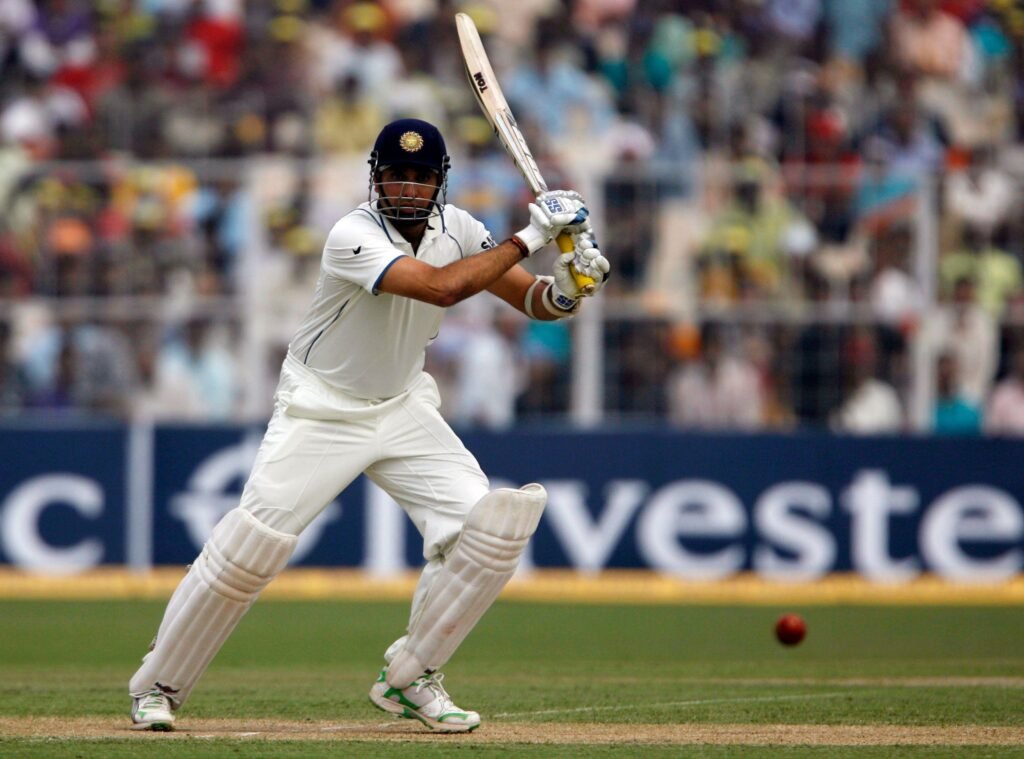
VVS Laxman became one of India’s most respected Test batters, earning a reputation for his composure and ability to perform under pressure. His memorable 281 against Australia in Kolkata in 2001 remains one of the defining innings of his career.
Laxman accumulated more than 8,000 runs in Test cricket and often excelled in the middle order. His style was particularly effective in the longer format, where patience, concentration and the ability to build substantial innings were essential.
His one-day international career was less extensive than his Test career. Although he represented India in ODIs, he never appeared for the country in an ODI World Cup. India’s strong competition for batting positions during his international career made opportunities at the highest level difficult to secure.
4. Sir Alastair Cook (England)
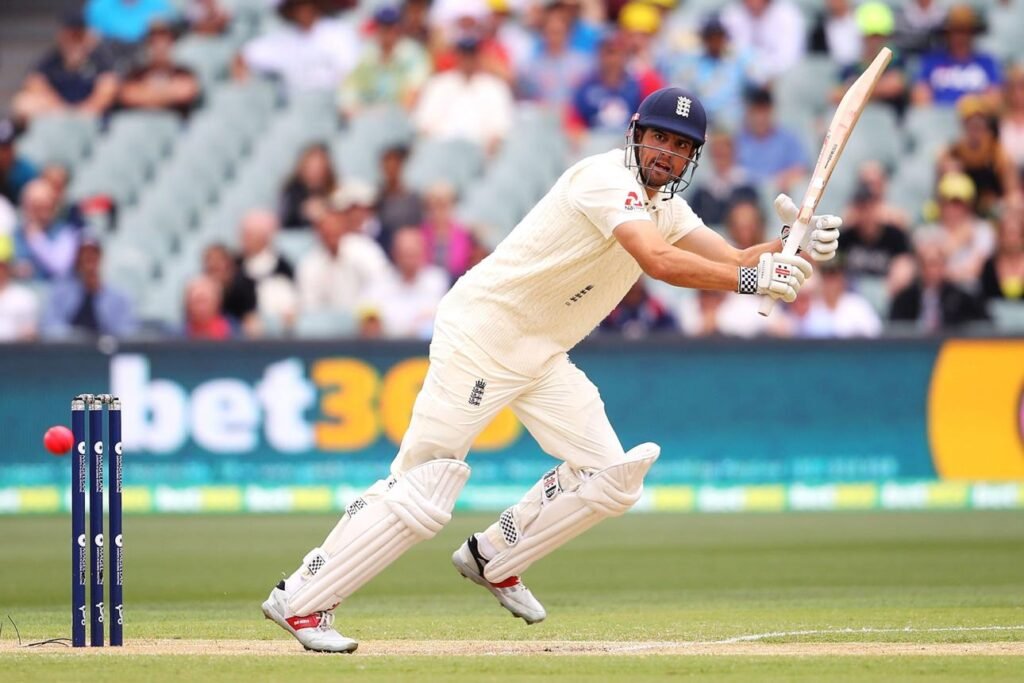
Alastair Cook established himself as one of England’s leading Test openers. His technique, concentration and consistency helped him become England’s highest run-scorer in Test cricket.
Cook also captained England in Test cricket and led the team through several important series. His strengths were particularly evident in the longer format, where he could bat for extended periods and build an innings around a solid defensive foundation.
Despite his achievements, Cook never represented England in an ODI World Cup. His international career became closely associated with Test cricket, and he retired from the format in 2018 after scoring 12,472 runs.
3. Chris Martin (New Zealand)
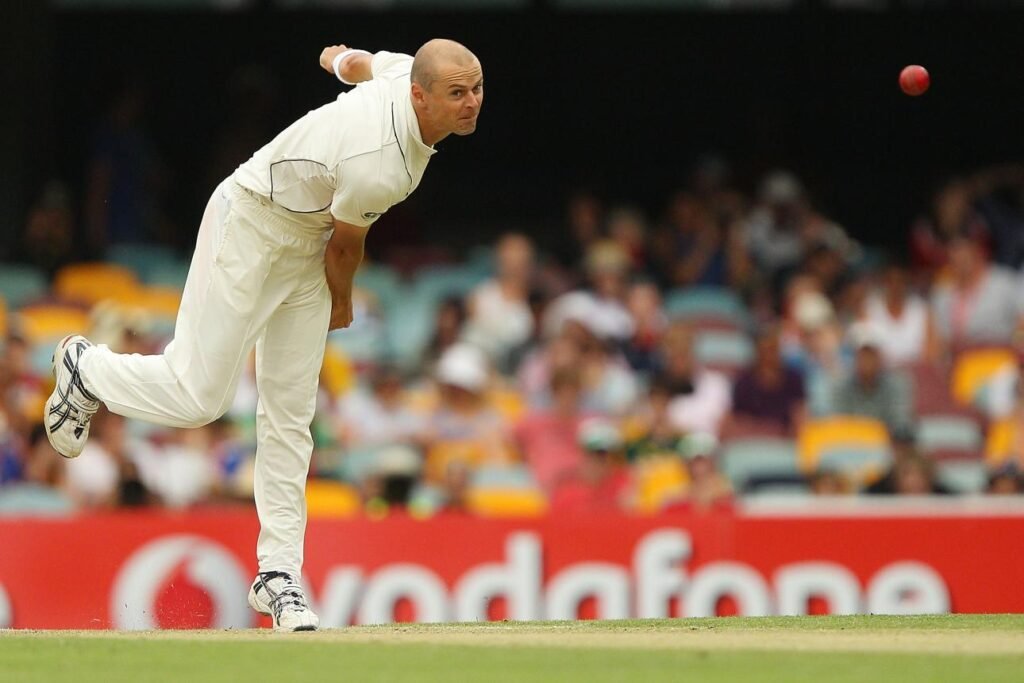
Chris Martin was a specialist fast bowler who represented New Zealand in international cricket. He became known for his ability to take wickets in Test matches, where he developed a reputation as a committed and persistent pace bowler.
Martin finished his Test career with 233 wickets, making him one of New Zealand’s more successful bowlers in the format. His role was primarily to trouble batters with the new ball and contribute to the team’s efforts to take 20 wickets in a match.
His career illustrates the distinction between Test specialists and players selected for major one-day tournaments. Martin did not feature in an ODI World Cup, despite his contribution to New Zealand’s Test team.
2. Matthew Hoggard (England)
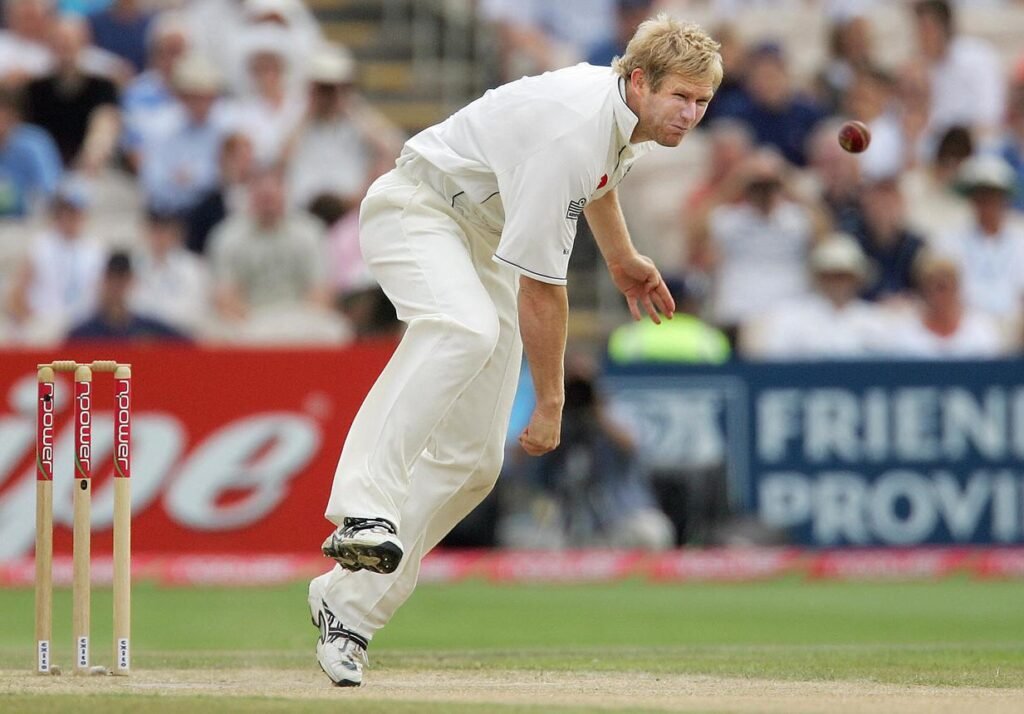
Matthew Hoggard was an important member of England’s Test bowling attack during the early 2000s. He used swing and seam movement to trouble batters and played a significant role in England’s successful 2005 Ashes campaign.
Hoggard finished his Test career with 248 wickets. He also played ODI cricket for England, but never appeared in an ODI World Cup.
The difference between his Test career and his one-day opportunities highlights how players can be highly effective in one format without securing a place in a World Cup squad. England had several bowling options competing for selection during his international career.
1. Justin Langer (Australia)
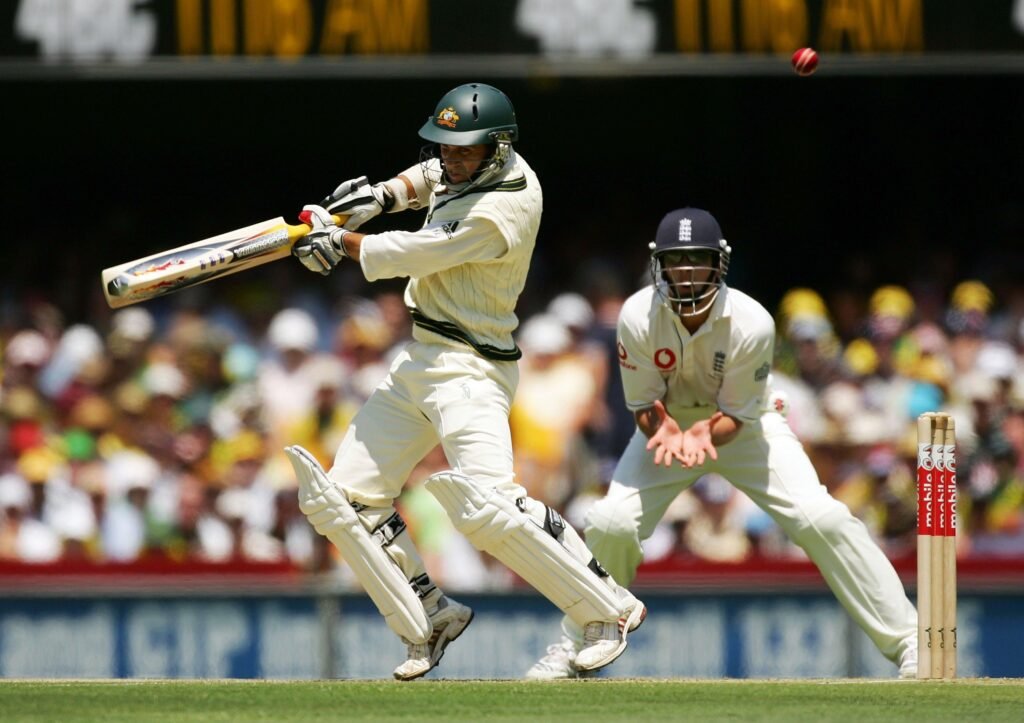
Justin Langer was a key member of Australia’s Test batting lineup and formed a successful opening partnership with Matthew Hayden. His disciplined approach and ability to build long innings helped Australia maintain its dominance in Test cricket during the early 2000s.
Langer scored more than 7,600 Test runs and was part of Australia’s successful era under captains including Steve Waugh and Ricky Ponting. His contributions came in a team filled with accomplished international players.
Despite his success in Test cricket, Langer never played in an ODI World Cup. Australia’s depth in limited-overs cricket made competition for batting places intense, and his international career became primarily associated with the longer format.
Why some great cricketers miss the World Cup
A successful international career does not guarantee a place at a World Cup. Selection depends on the format, team balance, competition for positions, fitness and the strategies used by selectors.
Players who excel in Test cricket may have skills that are not prioritized in a one-day lineup. Others may compete with established players who already occupy their preferred batting or bowling positions.
For Laxman, Cook, Martin, Hoggard and Langer, their careers are reminders that international cricket offers different paths to success. A World Cup appearance is a major achievement, but it is not the only measure of a player’s contribution to the game.
Editorial note: This article focuses on appearances at the men’s ODI World Cup, not T20 World Cups or other ICC tournaments.