
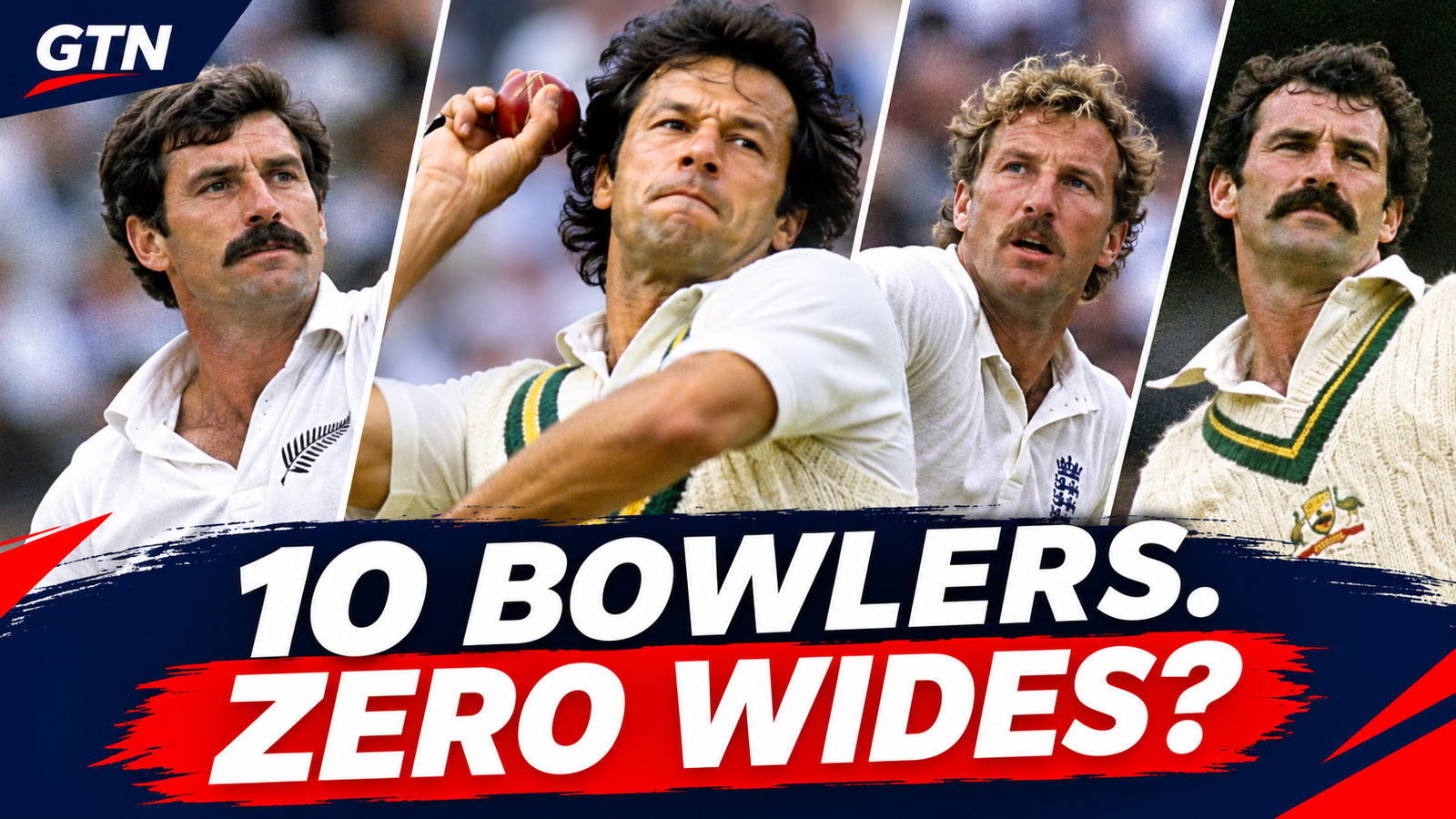
A bowler’s discipline is measured not only by the wickets taken but also by the ability to maintain control over line and length. While no-balls are generally associated with overstepping, wide deliveries can result from a loss of accuracy or an attempt to force a batter into playing a difficult shot.
Across cricket history, several legendary bowlers have been associated with an extraordinary statistical achievement: completing their international careers without conceding a wide. The list includes fast bowlers and spinners from different generations, with players from England, Australia, New Zealand, Pakistan and the West Indies.
Here are 10 bowlers reported to have achieved this feat, following the order in the corroborating source list.
10. Sir Richard Hadlee

New Zealand great Richard Hadlee was renowned for his accuracy, movement and ability to trouble batters in different conditions. He played 86 Test matches and 115 ODIs, becoming the first bowler to reach 400 Test wickets.
Hadlee’s control was a defining part of his success. He could generate movement without regularly sacrificing accuracy, making him one of the most effective fast bowlers of his generation. His reported record of not bowling a wide across his international career adds to his reputation for consistency.
9. Sir Garfield Sobers
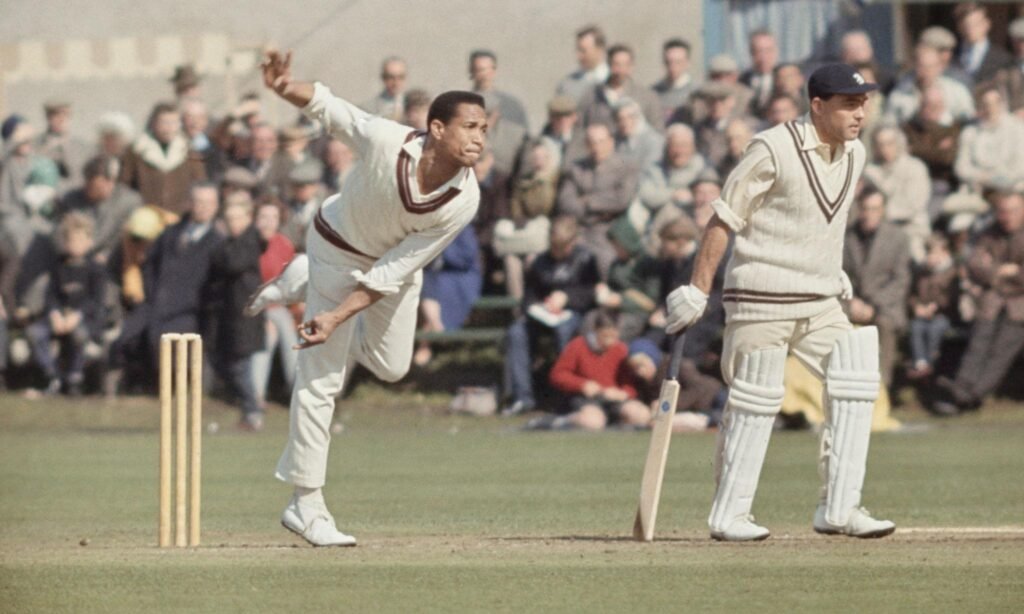
Garfield Sobers was one of the most versatile cricketers to represent the West Indies. A left-handed batter of exceptional quality, he could also bowl left-arm pace and different styles of spin.
Sobers played 93 Test matches and delivered more than 20,000 balls in the format. His ability to contribute in several roles made him a central figure in West Indies cricket. The reported absence of a wide in his career is particularly notable given the volume of bowling he delivered.
8. Sir Ian Botham
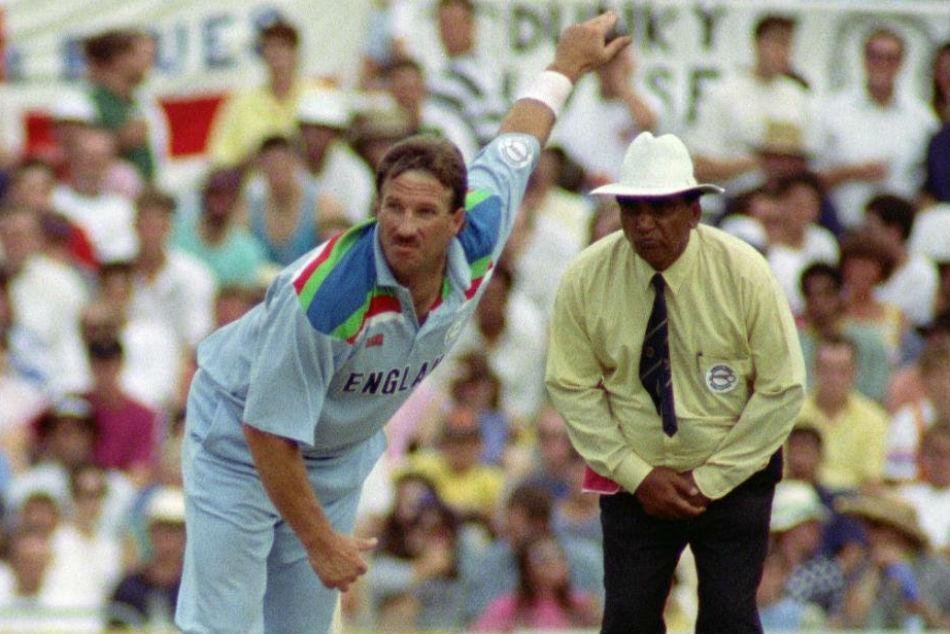
England all-rounder Ian Botham combined aggressive batting with fast-medium bowling. He played 102 Tests and 116 ODIs, taking 528 international wickets across the two formats.
Botham’s bowling was built around movement, changes of pace and an attacking approach. He regularly challenged batters while maintaining control, and his name appears among the bowlers credited with completing an international career without bowling a wide.
7. Clarrie Grimmett
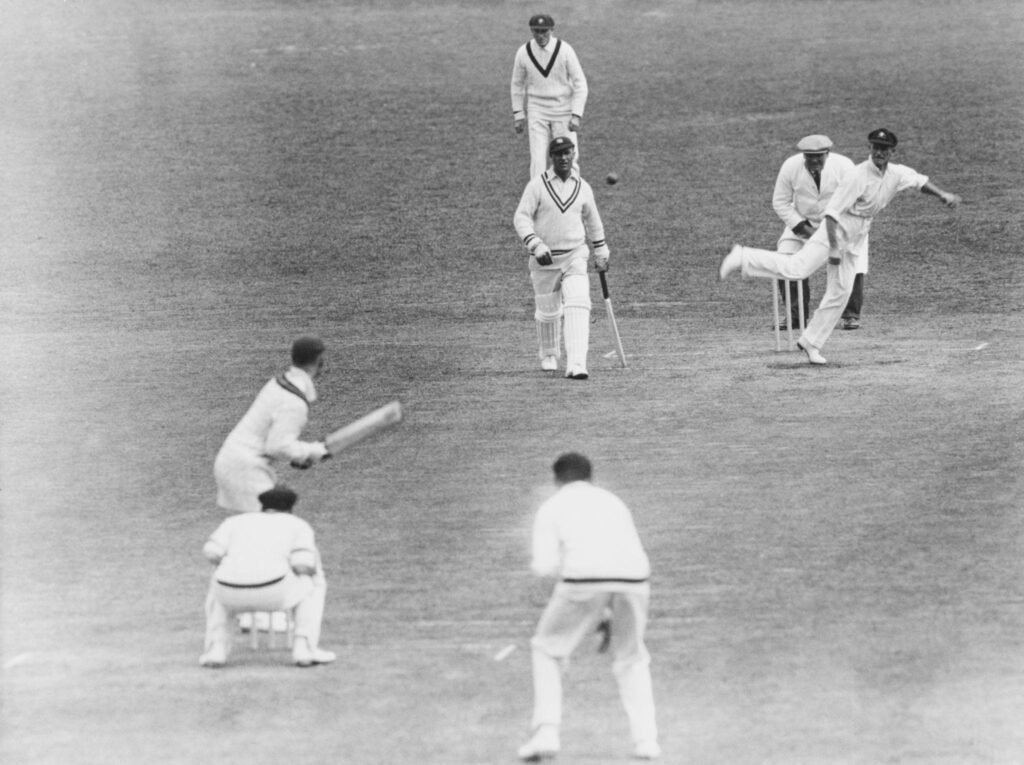
Clarrie Grimmett was a pioneering leg-spinner who represented Australia after being born in New Zealand. He played 37 Test matches and became one of the leading spin bowlers of his era.
Grimmett’s variations and control helped him become a prolific wicket-taker. He delivered more than 14,000 balls in Test cricket, according to the historical figures cited in the source list. His reported record is an example of the accuracy that helped make him such an effective bowler.
6. Lance Gibbs
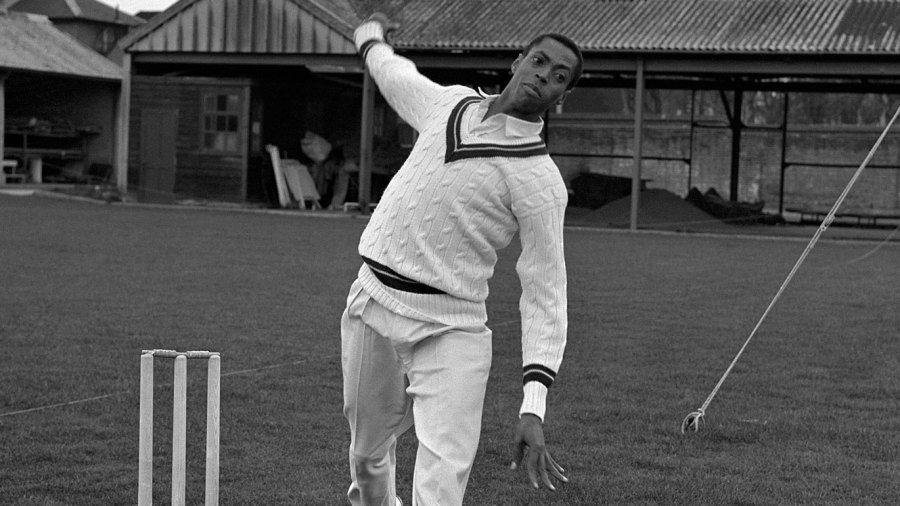
Lance Gibbs was a key member of the dominant West Indies sides of the 1960s and 1970s. The off-spinner played 79 Tests and three ODIs for his country.
Gibbs was known for his accuracy and ability to maintain pressure over long spells. He became the first spinner to reach 300 Test wickets, an achievement that reflected his consistency and longevity. His reported wide-free international record is another indication of his control.
5. Derek Underwood

England’s Derek Underwood was a left-arm orthodox spinner who became famous for his accuracy and ability to exploit difficult batting conditions. He played 86 Tests and 26 ODIs.
Underwood was particularly dangerous on damp pitches, where his deliveries could skid and turn unpredictably. His disciplined approach made it difficult for batters to score freely. He is also included among the bowlers reported to have avoided bowling a wide throughout his international career.
4. Dennis Lillee
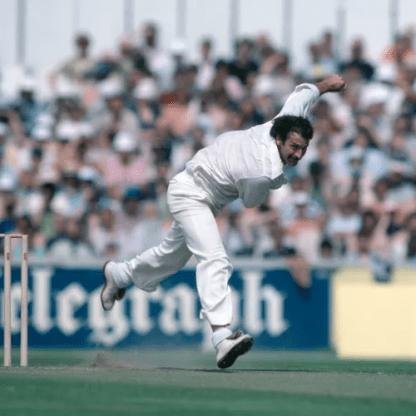
Dennis Lillee was one of Australia’s most celebrated fast bowlers. He played 70 Tests and 63 ODIs, using pace, aggression and a strong understanding of fast-bowling technique to trouble batters.
Lillee took 355 wickets in Test cricket and became one of the leading fast bowlers of his generation. His ability to combine aggression with control is a major part of his legacy. The reported absence of wide deliveries across his international career makes the achievement particularly striking for a fast bowler.
3. Bob Willis
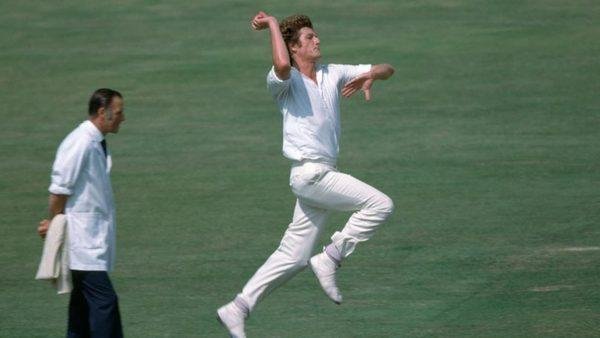
Bob Willis led England’s fast-bowling attack during much of the 1970s and early 1980s. He played 90 Tests and 64 ODIs, taking 325 Test wickets and 80 ODI wickets.
Willis was known for his pace, height and ability to generate bounce. His long run-up and energetic approach made him a challenging opponent for batters. Despite bowling thousands of deliveries at international level, he is included in the list of players reported to have never bowled a wide.
2. Imran Khan
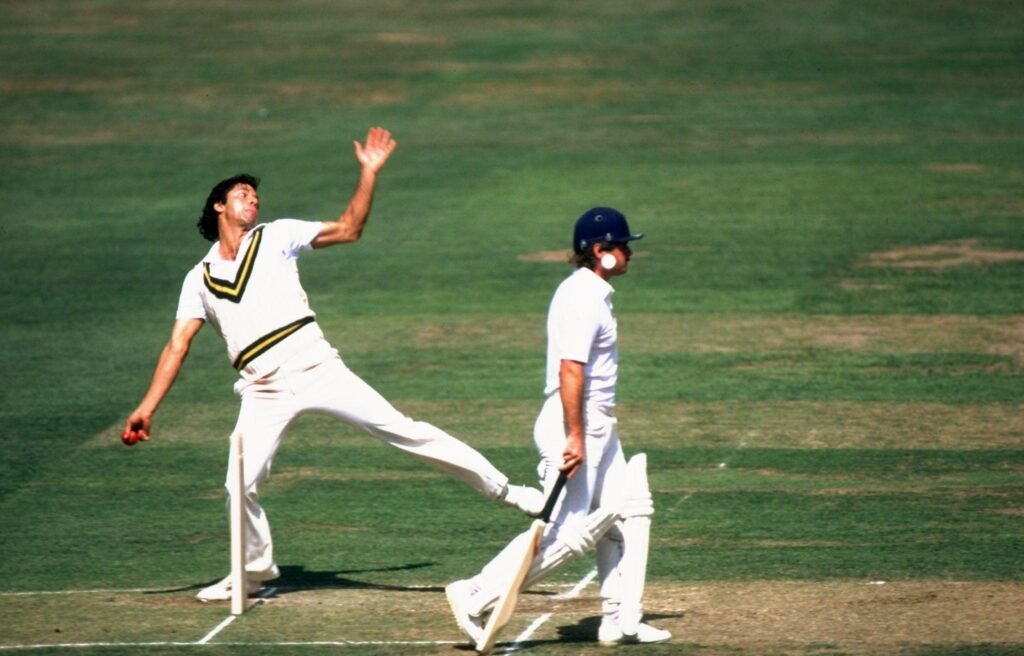
Pakistan’s Imran Khan was an outstanding fast bowler and all-rounder who later captained his country to the 1992 World Cup title. He played 88 Tests and 175 ODIs during his international career.
Imran combined pace and swing with an ability to reverse the ball later in his career. He finished with 362 Test wickets and 182 ODI wickets. His influence extended beyond his statistics, as he helped develop Pakistan’s fast-bowling tradition. His reported record of avoiding wide deliveries across his international career is another remarkable aspect of his bowling discipline.
1. Fred Trueman

Fred Trueman completes the list. The England fast bowler played 67 Test matches and took 307 wickets, becoming the first bowler to reach 300 Test wickets.
Trueman was known for his pace, aggression and ability to move the ball. He also enjoyed a long first-class career, making him one of the most prominent fast bowlers of his era. The source list credits him with completing his international career without bowling a wide, a notable achievement given the number of deliveries he bowled.
Accuracy and control across generations
These bowlers played in different eras and operated with different styles, but they shared a reputation for discipline. From Hadlee’s movement and Lillee’s pace to Gibbs’ spin and Underwood’s accuracy, each built a career around making life difficult for batters.
The wide-free career claim should be treated as a historical statistical report rather than a universally verified record across every domestic and international appearance. Scoring conventions and the availability of historical delivery-level data differ across eras. Nevertheless, the list highlights the importance of control in successful bowling.